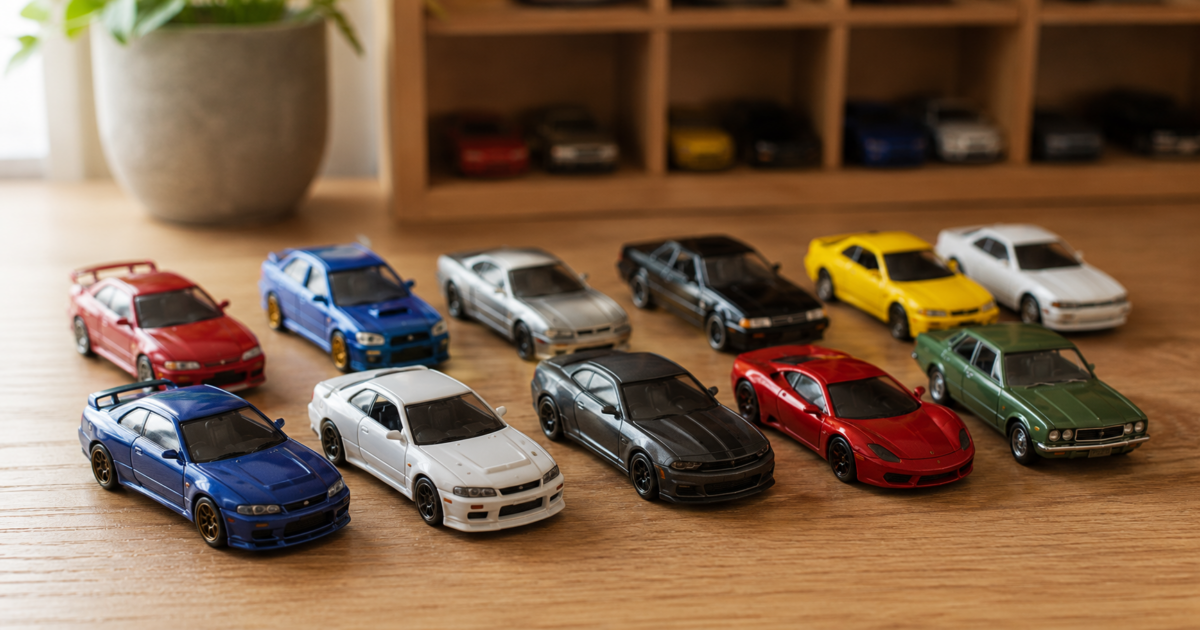
Almost everyone backs into this hobby. You buy a car for a kid, or you grab one at the checkout because it caught your eye, and a few months later there is a small pile of them in a drawer and you are quietly wondering how that happened. The jump from owning some diecast to actually collecting it is where a bit of planning saves you real money. Here is how I would build a 1:64 collection if I were starting over.
Pick a focus before you buy
The temptation at the start is to grab everything that looks cool. Resist it. Buying with no plan is the quickest way to end up with a shelf full of cars you do not really care about and an empty wallet. Most collectors settle into one of a few lanes, and it helps to know them early.
- By brand: go deep on one maker. Hot Wheels is the obvious start, but realism fans often prefer Matchbox, and Majorette is the quiet favorite.
- By casting: chase every version of one model, like a Datsun 510 or a Porsche 911. Oddly satisfying, and harder than it sounds.
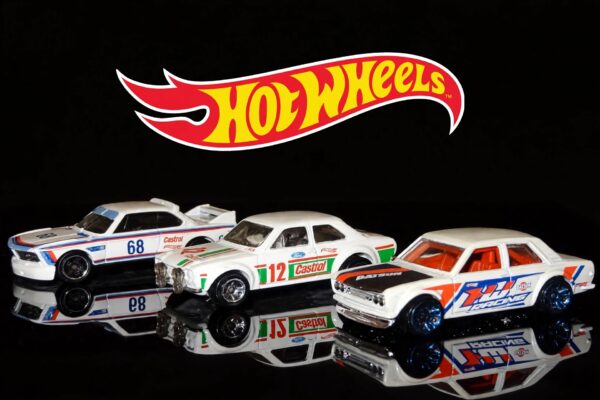
- By theme: JDM cars, pickups, race liveries, or real cars you have owned.
- By era: the vintage Redline years are a whole world with prices to match.
You do not have to commit forever, and plenty of people drift between focuses over the years. But starting with one keeps your buying honest. When you know you collect 1980s Japanese cars, you can walk past most of the peg without a second thought. That is a skill worth building, and it is cheaper than the alternative.
Mainline, premium or vintage?
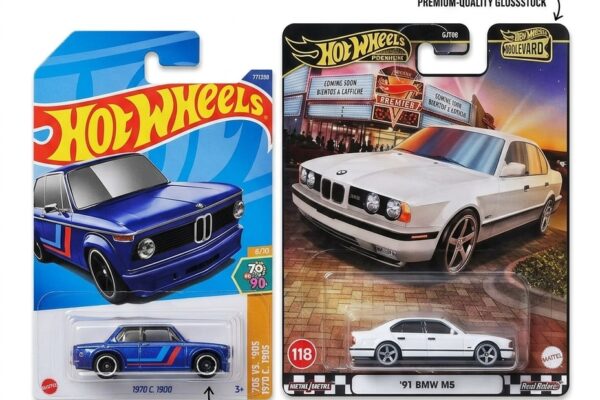
Mainline cars are the cheap ones hanging on the peg at the supermarket. Plastic wheels, simple paint, a dollar or two. This is where nearly everyone starts, and it is still my favorite aisle in any store. The hunt is half the fun, and you can fill a shelf without thinking twice about money.
Premium lines cost more and feel it. Rubber tires, metal bases, sharper paint, real licensing. The first time you pick up a premium car after years of mainline, the difference lands in your hand before your eyes catch up to it.
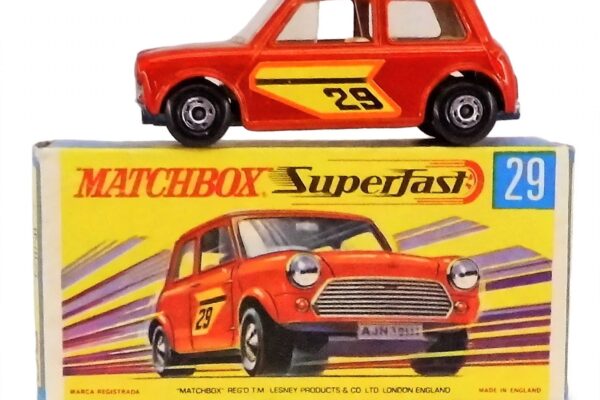
Vintage is the deep end: old castings, prices that run from fair to silly, and a market where fakes and repaints start to appear. It is a great place to end up and a rough place to begin. So for the first few months, keep it simple. Stick to mainline plus one premium line you genuinely love, and let your taste do the rest of the work.
Learn the words that matter
A few terms come up constantly, and not knowing them makes buying harder than it needs to be. A casting is the specific body mold a car is made from. Tampo is the printed graphics on the body. A chase, or a Treasure Hunt, is a rarer car slipped into normal production. And knowing how cases and case codes work is the difference between collectors who keep finding the good cars and the ones who always seem to show up the day after.
Where to buy without getting burned
Mainline cars turn up almost everywhere: supermarkets, big-box stores, the odd pharmacy. Rarer and older models live on eBay, in collector groups, and at swap meets. Online is fine, just do the math on shipping before you call something a deal, because a cheap car stops being cheap fast once postage is added. For anything that never reaches a shelf near you, local collector communities are usually your best source, and the people in them are half the reason the hobby is worth it.
Spotting fakes and repaints
Once you move past mainline, this matters, because a repaint passed off as factory original can cost you real money. The tells are usually small. A price that seems too good. Sloppy tampo with edges that bleed. Overspray in the wheel wells. Wheels that do not match the year the car claims to be. A base that has been cleaned up a little too carefully. None of these prove anything on their own, but together they add up. When you are unsure, post a photo in a collector group and ask before you buy, not after. People love being right about this, and you will learn fast.
Storing and displaying
Your collection will outgrow its space sooner than you expect, so plan for that before it takes over the kitchen table. Glass cabinets are the classic display, and stackable cases hold the bulk while keeping dust off. The two real enemies are dust and sunlight. Dust is annoying. Sunlight is worse, because it fades paint and yellows plastic over months and you will not notice until the damage is done. Keep your good cars out of the window. And when a car earns it, you can build it a diorama and turn a shelf piece into something worth photographing.
Habits that save you money
- Keep a simple list or app so you stop buying doubles. I have bought the same car three times. Do not be me.
- Photograph your collection for insurance and for trades.
- Set a monthly budget you can actually live with, and mostly stick to it.
- Buy what you love, not what you think will be worth money later.
Start with one brand and one theme, give yourself a budget, and spend the first month learning what pulls at you. When you are ready to go deeper, the rest of our collecting guides pick up from here. The expensive mistakes can wait until you know enough to make them on purpose, which, for the record, is still something all of us do.